Summary
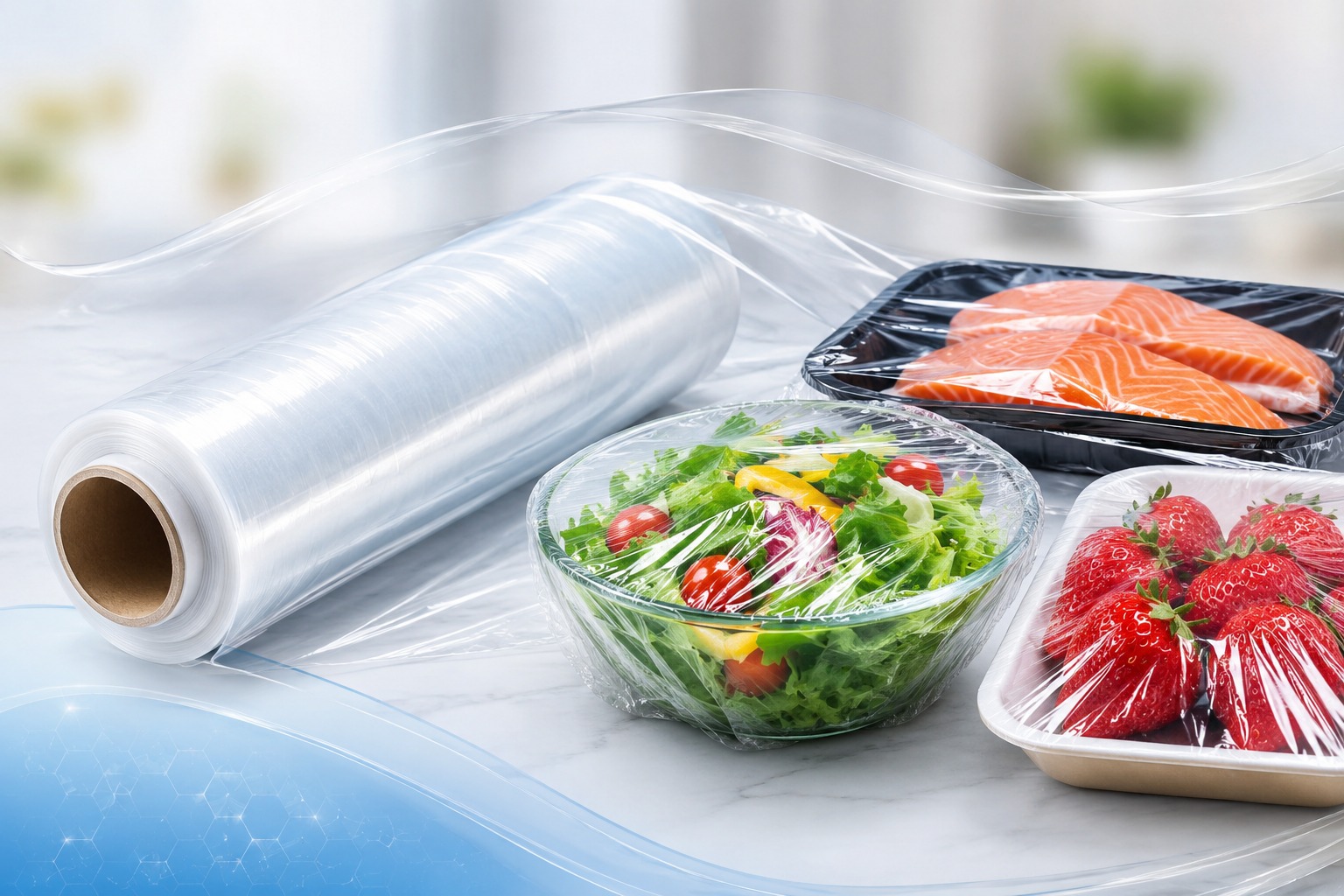
Transparent food wrapping films are thin, flexible, food-grade plastic films — typically made from PVC or PE — that cling tightly around food items to create an airtight barrier. They preserve freshness, prevent moisture loss, block contaminants, and extend shelf life by up to 3–5x compared to unwrapped storage. Used in households, supermarkets, restaurants, and food processing units, these films offer a clear advantage: you can see exactly what's inside without opening the packaging.
Why What You Wrap Your Food in Matters More Than You Think
Most people think about what they store — not how they store it. But the wrapping you choose has a direct impact on food safety, taste, texture, and shelf life.
Every year, India wastes an estimated 68 million tonnes of food, a significant portion of which is attributed to improper storage and packaging. Transparent food wrapping films offer one of the most practical, affordable, and effective solutions to this problem — whether you're running a commercial kitchen in Delhi, a supermarket chain, or simply managing leftovers at home.
At Clear View, a trusted name in food packaging solutions and industrial PVC products across India, we manufacture and supply high-clarity, food-safe wrapping films engineered for real-world use. This guide walks you through everything you need to know about transparent wrapping films — from how they work, to which type suits your needs best.
What are Transparent Food Wrapping Films?
Transparent Food Wrapping Films are commonly called cling films, food wrap, or stretch wrap are ultra-thin polymer sheets designed specifically to seal and protect perishable food items. Their defining property is their self-clinging ability: they adhere tightly to themselves and to smooth surfaces like glass, ceramic, and stainless steel without any adhesive.
These films work by forming a physical barrier that limits exposure to oxygen, airborne bacteria, moisture fluctuations, and cross-contamination. The transparency isn't just aesthetic — it's functional. Clear wrapping allows kitchen staff, supermarket employees, and consumers to visually inspect food quality without disturbing the seal.
The Two Primary Materials: PVC vs PE
Understanding material composition helps you make the right choice for your application.
| Property | PVC Cling Film | PE Cling Film |
|---|---|---|
| Cling Performance | Excellent | Good |
| Temperature Range | Up to 120°C | Up to 100°C |
| Microwave Safe | Limited use | Generally yes (check grade) |
| Ideal For | Professional kitchens, supermarkets | Household use, cold storage |
| Clarity | High | High |
| Flexibility | Very flexible | Moderate |
Both types, when manufactured to food-grade standards, are free from harmful plasticisers and comply with food contact material regulations. Clear View produces both PVC cling film and PE cling film variants, each optimised for specific end-use environments.
The Core Benefits of Using Transparent Wrapping Films
1. Extending Shelf Life Without Compromise
When food is exposed to open air, oxidation and microbial activity accelerate spoilage. A well-applied transparent wrap significantly slows both processes. Fruits and vegetables wrapped with food-grade cling film can stay fresh up to 3–4 times longer compared to uncovered storage in a refrigerator. For proteins like cut meats or fish, the shelf life extension is even more pronounced.
This isn't just a household convenience — for hotels, catering companies, and food processing units, it translates directly to reduced wastage costs.
2. Crystal-Clear Visibility for Efficient Inventory Management
One of the most underappreciated advantages is something simple: you can see what's inside. In commercial kitchens and supermarket delis, wrapped trays and containers can be identified instantly — no labels needed for basic identification, no unwrapping to inspect. This speeds up service, reduces handling, and maintains hygiene.
3. Contamination Prevention and Food Hygiene
Cross-contamination is a leading cause of foodborne illness. Transparent wrapping films act as the first line of physical defence, sealing cooked food away from raw ingredients, preventing insect exposure during transport, and protecting against airborne dust particles in food processing facilities.
4. Moisture Retention and Aroma Preservatio
Food loses quality through evaporation — this is why uncovered leftovers dry out in the refrigerator. A properly sealed cling wrap retains the natural moisture, texture, and even the aroma of food. This is particularly critical for bakery products, cut fruits, and marinated meats, where moisture content directly affects consumer experience.
5. Versatility Across Every Food Category
Transparent food wrap isn't limited to a single food type. It effectively covers and seals:
- Cut fruits, vegetables, and salads
- Sandwiches, wraps, and bakery items
- Cooked meals and marinated proteins
- Cheese, charcuterie, and deli products
- Ready-to-eat items in supermarket displays
Industrial and Commercial Applications: Beyond the Kitchen
While most people associate food wrap with domestic use, the largest volumes are consumed in commercial and industrial settings.
Supermarkets and Food Retail: use transparent wrapping films to pre-package fresh produce and deli items, enabling display-ready presentation that lets customers visually assess freshness before purchase.
Food Processing Units and Cold Chain Facilities: rely on industrial-grade stretch cling films to wrap palletised food products for storage and transport, maintaining hygiene standards throughout the supply chain.
Hotels, Restaurants, and Catering Businesses: use cling film extensively for portion control, mise en place preparation, and safe storage of prepped ingredients across multiple service cycles.
Bakeries and confectioneries: depend on transparent wrap to preserve the appearance and moisture of baked goods — from cream pastries to bread loaves — without crushing delicate structures.
How to Choose the Right Food Wrapping Film for Your Needs
Not all cling films are created equal. Here's what to evaluate before sourcing:
Film thickness (micron rating): Thicker films offer more durability for heavier or sharper food items. Standard household wrap is typically 8–10 microns; commercial and industrial films range from 12–30 microns.
Cling strength: High-cling formulations are better for professional settings where airtight sealing matters. Standard-cling variants work well for light household coverage.
Temperature compatibility: If the wrap will be used in microwaves, under heat lamps, or in high-temperature prep areas, confirm the film's rated temperature range with your supplier.
Food-grade certification: Always verify that the film meets food contact material standards. Clear View food-grade cling films comply with applicable safety standards for direct food contact.
Core size and roll dimensions: For high-volume commercial kitchens and industrial dispensers, matching roll dimensions to your dispensing equipment saves time and reduces waste.
Expert Insight: Common Mistakes When Using Food Wrapping Films
Even a high-quality product can underperform with poor application. A few things to keep in mind:
Applying film loosely — leaving air pockets — defeats its primary purpose. Press the film firmly onto the food surface and ensure all edges form a complete seal. For bowls and trays, pull the film taut across the entire opening before pressing down the sides.
Reusing cling film is not recommended, especially for proteins and cooked foods. Each use compromises the integrity of the film and increases contamination risk.
Storing the roll in extreme heat can reduce cling performance over time. Keep rolls in a cool, dry place away from direct sunlight.
Sustainability Considerations
The food packaging industry is actively working toward more sustainable solutions. PE-based cling films have a lower carbon footprint than PVC variants and are more amenable to recycling infrastructure. Thinner, high-performance films also reduce total plastic consumption per application without sacrificing protection. Clear View continues to evaluate material innovations that balance performance with environmental responsibility.
FAQs
Q1. What is transparent food wrapping film made of?
Most food wrapping films are made from either polyvinyl chloride (PVC) or polyethylene (PE). Both are engineered into ultra-thin, flexible films with cling properties. Food-grade versions are manufactured without harmful plasticisers and are tested for safe direct contact with food.
Q2. Is it safe to use cling film in the microwave
This depends on the material and grade. Many PE-based food wraps are microwave-safe when used correctly — avoid direct contact with fatty or oily foods at high temperatures, and always leave a small vent for steam. PVC cling films should generally not be used in microwaves unless specifically rated for it. Always check the manufacturer's recommendation.
Q3. How long does food wrapped in transparent film stay fresh?
Shelf life varies by food type, but as a general guideline: cut fruits and vegetables can stay fresh 2–4 days longer; cooked meats may last up to 3–4 days refrigerated; bakery items retain moisture for 1–2 additional days. The key variable is how well the seal is formed — complete airtight coverage makes a significant difference.
Q4. What is the difference between stretch cling film and regular cling film
Stretch cling film is designed for high-elongation applications — it stretches significantly before it tears and is typically used in industrial or commercial settings for wrapping large trays, pallets, or bulk food items. Regular cling film is lighter gauge and suited for household or light commercial use. Both provide transparency and contamination protection.
Q5. Where can I buy food-grade transparent wrapping films in India?
Clear View, based in Delhi, manufactures and supplies a full range of food packaging cling films, including PVC cling film, PE cling film, food wrapping film rolls, and stretch cling film are used for household, commercial, and industrial use. You can enquire through their website at clearviewstripcurtain.in or reach the team directly via phone or email.
Conclusion
Transparent food wrapping films may seem like a minor detail in the larger picture of food safety and supply chain management, but their impact is anything but small. From extending shelf life and preventing contamination to enabling clean, visible display and reducing food waste, these films serve as the quiet backbone of responsible food handling.
Whether you're a food business looking to improve operational hygiene, a supermarket manager seeking reliable packaging for fresh produce, or a household user wanting smarter storage, the right food-grade wrapping film makes a measurable difference.
Ready to Source High-Quality Food Wrapping Films?
Clear View is a leading manufacturer and supplier of premium PVC and PE food packaging films across India. From standard household cling film rolls to industrial-grade food wrapping solutions, we supply products engineered to food safety standards with consistent clarity and cling performance. Contact us us to talk to our specialists today.